
What the OpenClaw Explosion Tells Us About the Future of Customer Service
OpenClaw's viral growth reveals consumer expectations for AI that takes action. Learn what this means for customer service operations and contact centers.

The Signal in the Noise
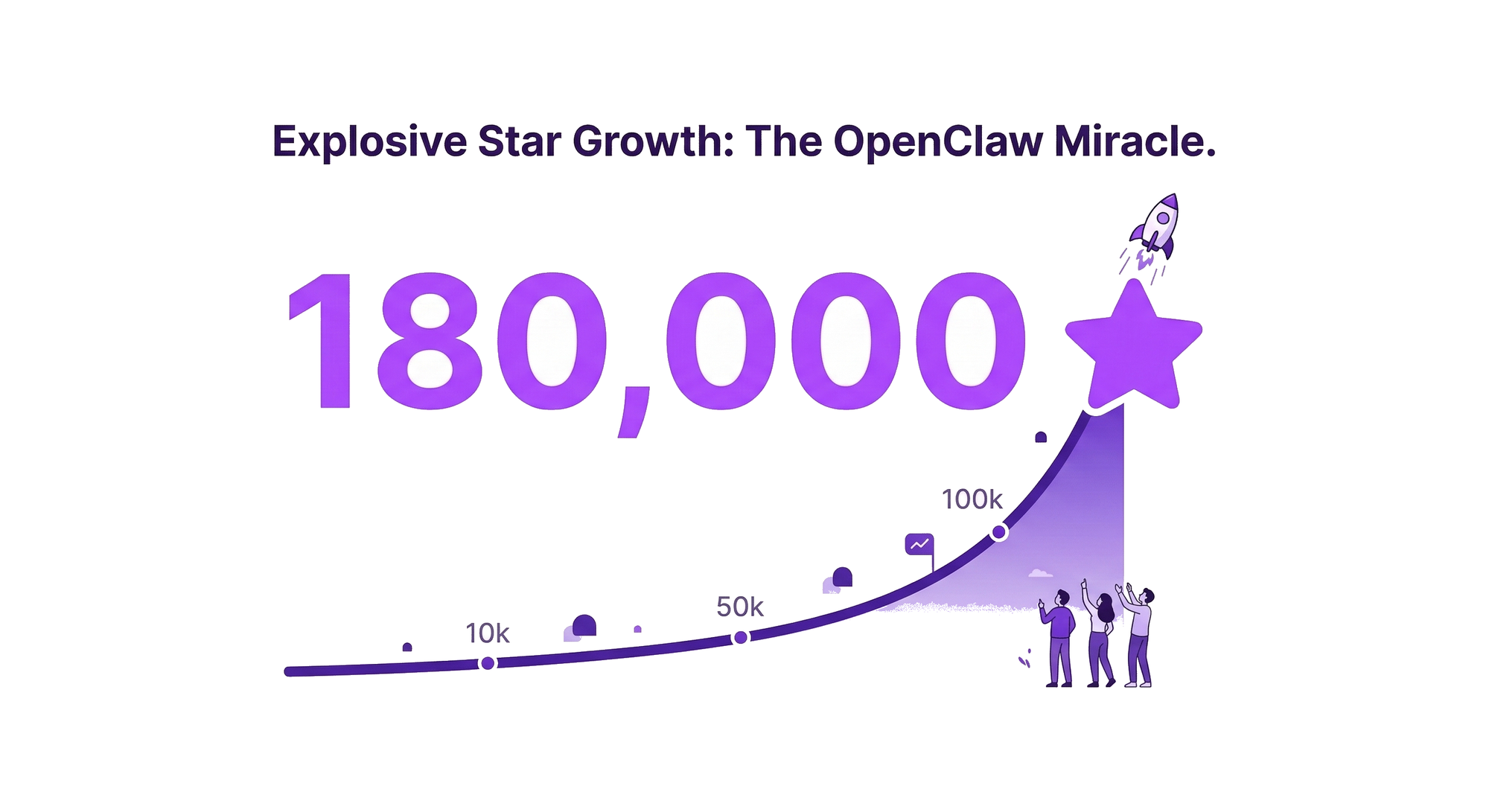
When a technology goes from zero to 180,000 GitHub stars in weeks, it tells you something fundamental about market demand. OpenClaw did not achieve this growth through marketing budgets or enterprise sales teams. It grew because it solved a problem that hundreds of thousands of people desperately wanted solved: they wanted an AI that actually does things.
For anyone in customer service, this signal should be impossible to ignore. If consumers are this enthusiastic about an AI agent that manages their personal tasks, imagine what they will expect when they interact with a business. The bar for what constitutes acceptable AI-powered customer service just moved dramatically upward.
The End of the FAQ Chatbot Era
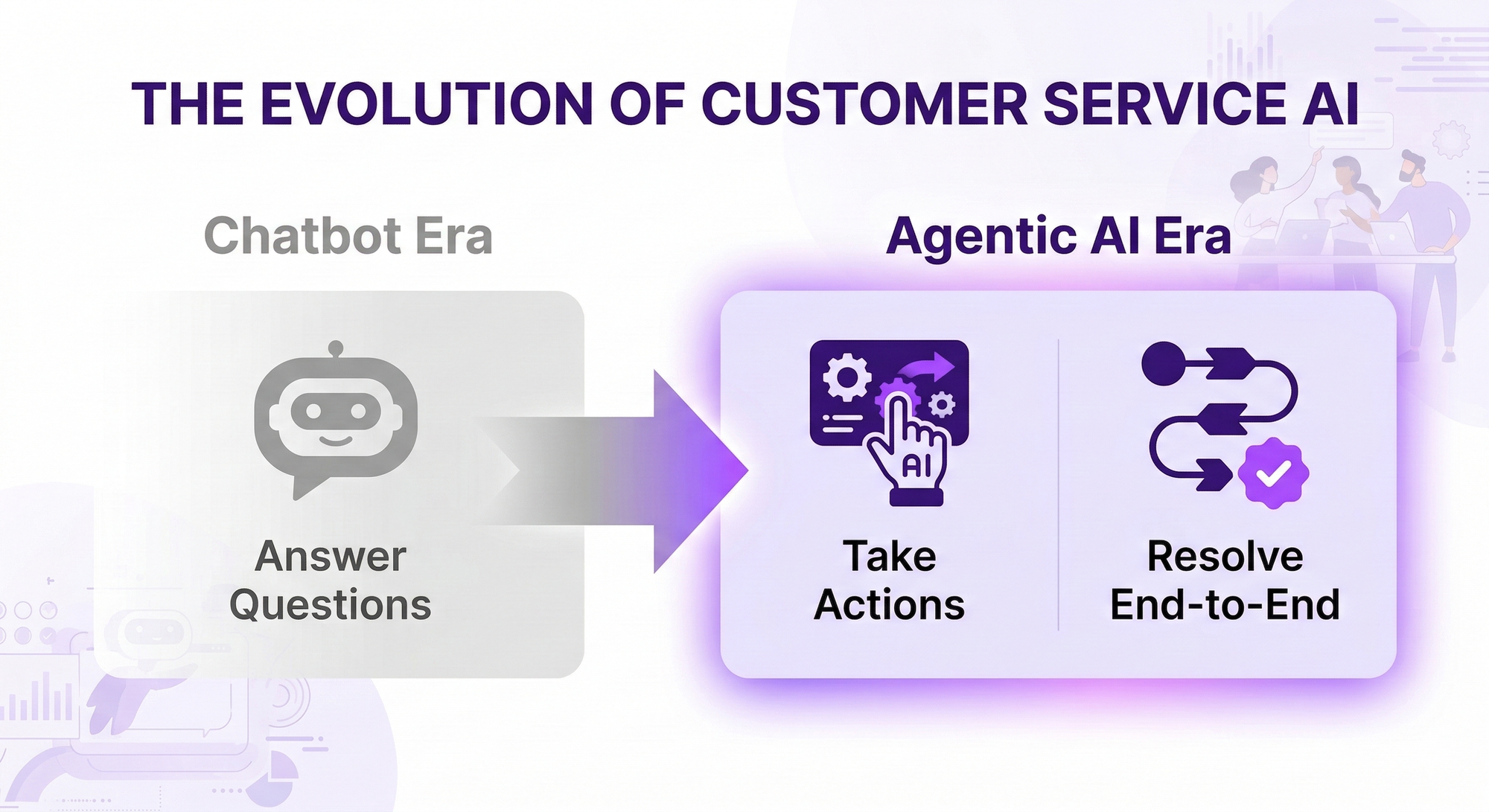
Most customer service AI deployed today falls into the category of intelligent FAQ systems. They can understand customer questions, match them to knowledge base articles, and provide relevant answers. More sophisticated versions can handle multi-turn conversations and escalate to human agents when they cannot help.
OpenClaw has shown consumers what AI agents can actually do. Once people experience an AI that sends emails on their behalf, schedules appointments, processes returns, and manages ongoing tasks, their tolerance for chatbots that say 'Let me connect you with a human agent' will evaporate.
The next generation of customer service AI needs to be agentic. It needs to pull up account information, process refunds, schedule deliveries, update preferences, escalate with full context, and follow up proactively — across whatever channel the customer prefers. This is not science fiction. This is what OpenClaw already does for personal tasks, and customers will expect the same capability from the businesses they interact with.
Omnichannel Is No Longer Optional
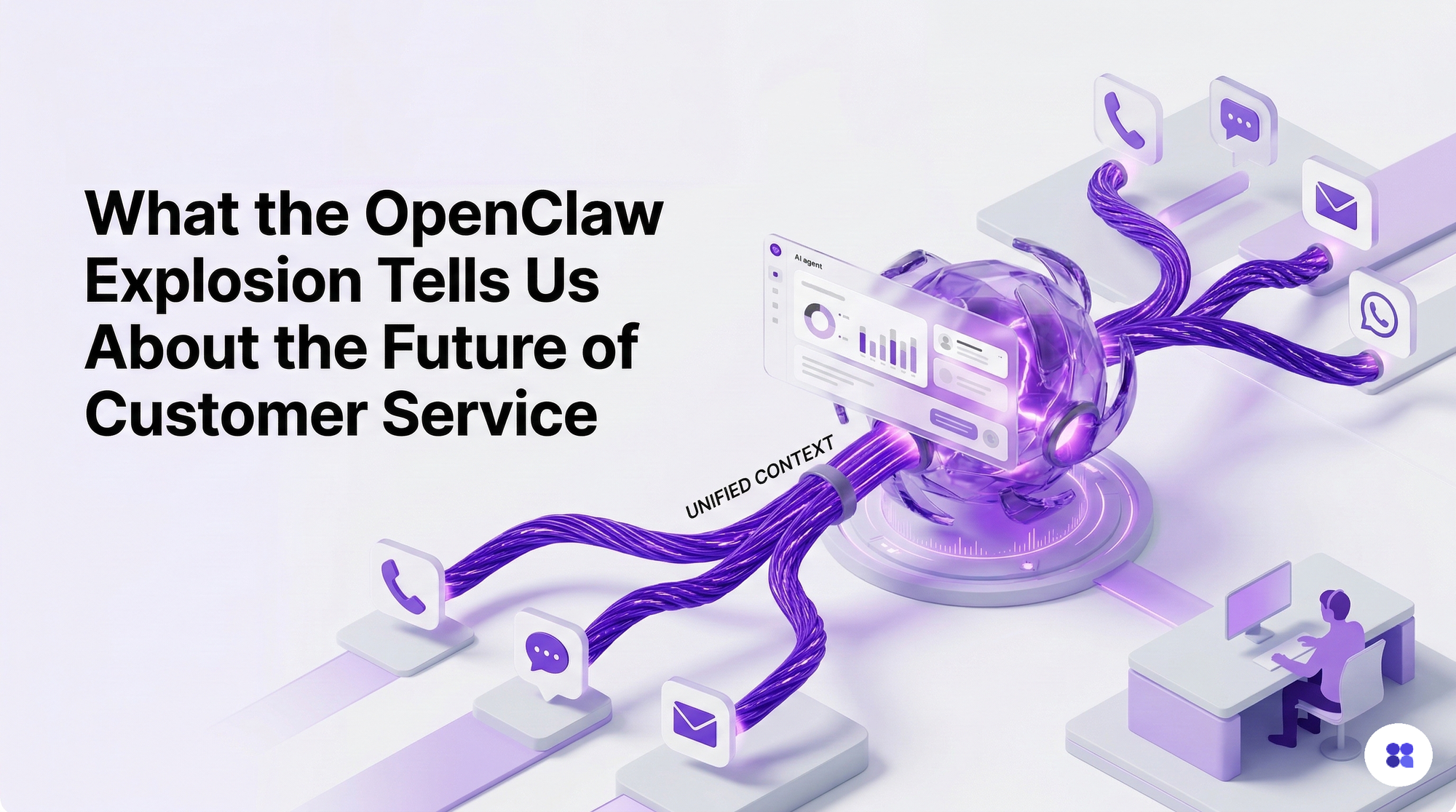
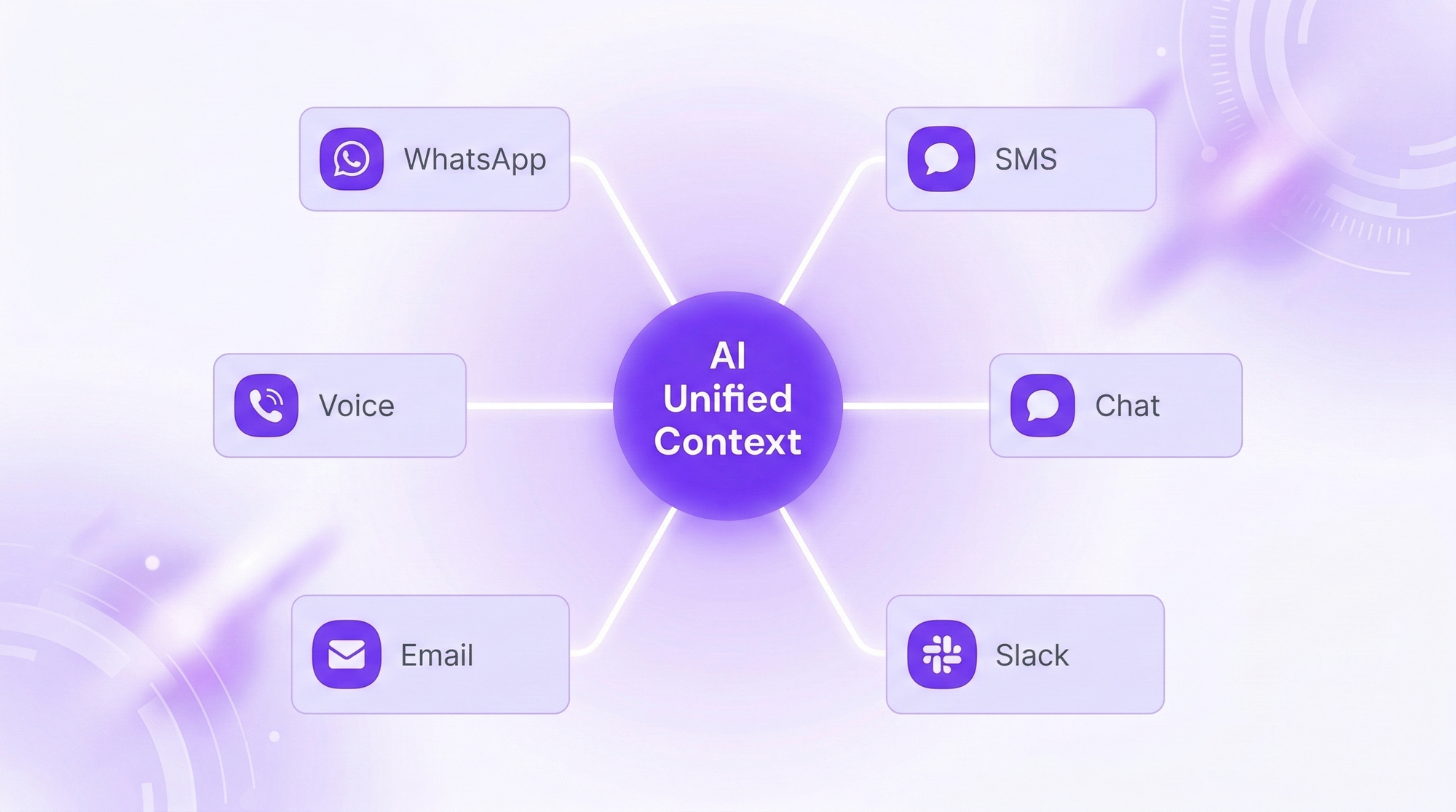
One of OpenClaw's most revealing features is its channel diversity. Users interact with it via WhatsApp, Telegram, Discord, Slack, SMS, and more. They choose whichever channel is most convenient at the moment and expect the agent to maintain context across all of them.
Customer service operations need to internalize this expectation. A customer who starts a conversation via web chat, follows up via WhatsApp, and calls to check status expects the AI agent to have full context across all three interactions. Siloed channel strategies are now a customer experience liability.
Enterprise AI agent platforms need to provide true omnichannel orchestration — not just multi-channel presence, but unified conversation management across voice, chat, email, SMS, and messaging platforms. Anyreach's approach to omnichannel AI agents, handling voice and digital channels with persistent context, reflects exactly what the OpenClaw trend tells us customers will demand.
What Contact Centers Should Do Now
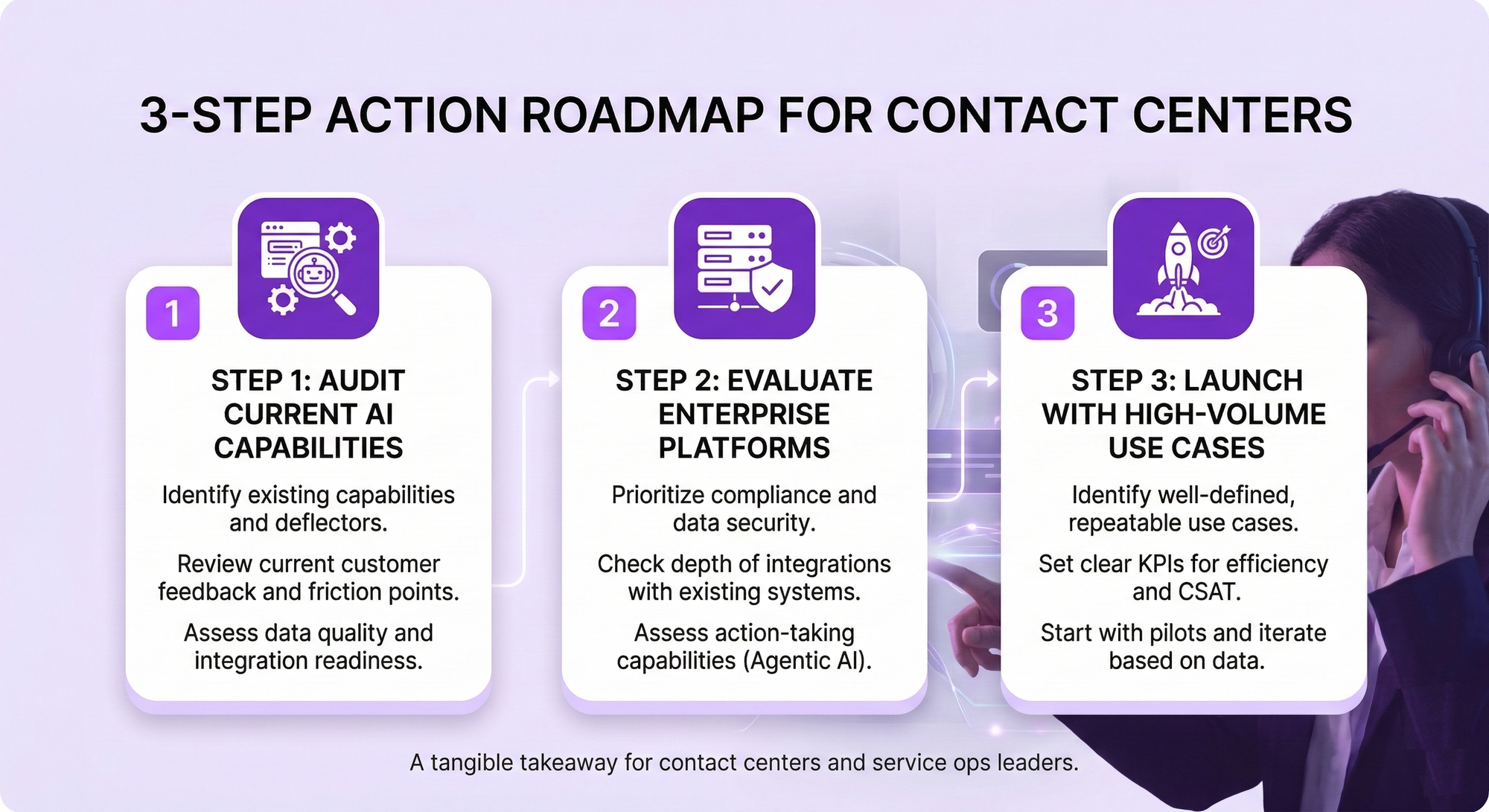
Contact center leaders should treat the OpenClaw phenomenon as a leading indicator of customer expectations that are about to arrive. The practical steps are clear. First, audit your current AI capabilities against the action-taking bar that OpenClaw has set. If your AI can only answer questions and cannot take actions to resolve issues, you are already behind. Second, evaluate enterprise AI agent platforms that deliver agentic capabilities with the compliance, reliability, and integration depth your operations require. Third, start with high-volume, well-defined use cases where AI agents can resolve issues end-to-end, then expand the scope as the technology proves itself.
The organizations that move fastest will gain significant competitive advantages in customer satisfaction, operational efficiency, and cost management. Those that wait for the market to force their hand will find themselves playing catch-up in an environment where customer expectations have permanently shifted.
Frequently Asked Questions
How does OpenClaw affect customer service expectations?
OpenClaw has shown millions of consumers what agentic AI looks like — AI that takes autonomous action rather than just providing information. This raises the bar for what customers expect from AI-powered customer service, shifting expectations from FAQ-style chatbots to action-taking agents that can resolve issues end-to-end.
What is an agentic AI customer service platform?
An agentic AI customer service platform deploys AI agents that can take autonomous actions to resolve customer issues, such as processing refunds, scheduling appointments, updating accounts, and following up proactively, across multiple communication channels including voice, chat, email, and messaging.
Should contact centers deploy OpenClaw for customer service?
No. OpenClaw is designed for personal use and lacks the enterprise security, compliance, scalability, and reliability requirements for customer-facing operations. Contact centers should evaluate purpose-built enterprise AI agent platforms that deliver similar capabilities with appropriate governance.
Ready for Enterprise-Grade AI Agents?
Anyreach delivers the agentic AI capabilities your organization needs with the security, compliance, and scalability enterprise operations demand. See how Anyreach can transform your customer and employee experience with AI agents that actually do things.
![[BPO Insights] The Best Sales Weapon We Built Wasn't Planned: How Website Cloning Became Our Highest-Converting Demo](/content/images/size/w600/2026/02/04_the_builders_log-18.png)
![[BPO Insights] The Contrarian BPO Bet: Why Winning 10 Small Outsourcers Beats Chasing 3 Enterprise Logos](/content/images/size/w600/2026/02/03_the_uncomfortable_math-18.png)
![[OpenClaw] From BYOD to BYOA: Why Enterprises Need an AI Agent Strategy Before Employees Build Their Own](/content/images/size/w600/2026/02/Anyreach-Openclaw-Blog-Cover--4--4.png)
![[BPO Insights] The Compliance Paradox: How SOC 2 Went From BPO Annoyance to the #1 Structural Moat in AI-Powered CX](/content/images/size/w600/2026/02/02_from_the_other_side-18.png)